
-
Medical Treatment Guidance
-
Medical Course
- Gastroenterology
- Pulmonology
- Nephrology
- Cardiology
- Endocrinology
- Internal Physical Examination
- Surgery
- Obstetric & Gynecology
- Pediatrics
- Neurosurgery
- Neurology
- Orthopedics
- Emergentology
- Laboratory Medicine
- Dentistry
- Radiology
- Urology
- Anesthesiology
- Occupational and Environmental Medicine
- Geratology
- Otolaryngology
- Medical Team
- Clinic Hours
-
Medical Course
-
Specialized Centers
- Gastrointestinal Endoscopy Center
- Hemodialysis Center
- Laparoscopic Surgery Center
- Breast Thyroid Center
- Spine Pain Center
- Joint Center
- Brain Center
- Surgical Center
- Intensive Care Center
- Cardiovascular Center
- Endocrine Center
- Growth Clinic Center
- Health Promotion Center
- Home Nursing Center
- Emergency Medical Center
- Referral & Care Coordination Center
- Clinical Trial Center
- Occupational Health Center
- Gastrointestinal Endoscopy Center
- Hemodialysis Center
- Laparoscopic Surgery Center
- Breast Thyroid Center
- Spine Pain Center
- Joint Center
- Brain Center
- Surgical Center
- Intensive Care Center
- Cardiovascular Center
- Endocrine Center
- Growth Clinic Center
- Health Promotion Center
- Home Nursing Center
- Emergency Medical Center
- Referral & Care Coordination Center
- Clinical Trial Center
- Occupational Health Center
 한국어
한국어 English
 中文
中文 việt nam
-
Medical Treatment Guidance
-
Medical Course
- Gastroenterology
- Pulmonology
- Nephrology
- Cardiology
- Endocrinology
- Internal Physical Examination
- Surgery
- Obstetric & Gynecology
- Pediatrics
- Neurosurgery
- Neurology
- Orthopedics
- Emergentology
- Laboratory Medicine
- Dentistry
- Radiology
- Urology
- Anesthesiology
- Occupational and Environmental Medicine
- Geratology
- Otolaryngology
- Medical Team
- Clinic Hours
-
Medical Course
-
Specialized Centers
- Gastrointestinal Endoscopy Center
- Hemodialysis Center
- Laparoscopic Surgery Center
- Breast Thyroid Center
- Spine Pain Center
- Joint Center
- Brain Center
- Surgical Center
- Intensive Care Center
- Cardiovascular Center
- Endocrine Center
- Growth Clinic Center
- Health Promotion Center
- Home Nursing Center
- Emergency Medical Center
- Referral & Care Coordination Center
- Clinical Trial Center
- Occupational Health Center
- Gastrointestinal Endoscopy Center
- Hemodialysis Center
- Laparoscopic Surgery Center
- Breast Thyroid Center
- Spine Pain Center
- Joint Center
- Brain Center
- Surgical Center
- Intensive Care Center
- Cardiovascular Center
- Endocrine Center
- Growth Clinic Center
- Health Promotion Center
- Home Nursing Center
- Emergency Medical Center
- Referral & Care Coordination Center
- Clinical Trial Center
- Occupational Health Center
-
Medical Treatment Guidance
-
Medical Course
- Gastroenterology
- Pulmonology
- Nephrology
- Cardiology
- Endocrinology
- Internal Physical Examination
- Surgery
- Obstetric & Gynecology
- Pediatrics
- Neurosurgery
- Neurology
- Orthopedics
- Emergentology
- Laboratory Medicine
- Dentistry
- Radiology
- Urology
- Anesthesiology
- Occupational and Environmental Medicine
- Geratology
- Otolaryngology
- Medical Team
- Clinic Hours
-
Medical Course
-
Specialized Centers
- Gastrointestinal Endoscopy Center
- Hemodialysis Center
- Laparoscopic Surgery Center
- Breast Thyroid Center
- Spine Pain Center
- Joint Center
- Brain Center
- Surgical Center
- Intensive Care Center
- Cardiovascular Center
- Endocrine Center
- Growth Clinic Center
- Health Promotion Center
- Home Nursing Center
- Emergency Medical Center
- Referral & Care Coordination Center
- Clinical Trial Center
- Occupational Health Center
- Gastrointestinal Endoscopy Center
- Hemodialysis Center
- Laparoscopic Surgery Center
- Breast Thyroid Center
- Spine Pain Center
- Joint Center
- Brain Center
- Surgical Center
- Intensive Care Center
- Cardiovascular Center
- Endocrine Center
- Growth Clinic Center
- Health Promotion Center
- Home Nursing Center
- Emergency Medical Center
- Referral & Care Coordination Center
- Clinical Trial Center
- Occupational Health Center
-
Medical Treatment Guidance
-
Medical Course
- Gastroenterology
- Pulmonology
- Nephrology
- Cardiology
- Endocrinology
- Internal Physical Examination
- Surgery
- Obstetric & Gynecology
- Pediatrics
- Neurosurgery
- Neurology
- Orthopedics
- Emergentology
- Laboratory Medicine
- Dentistry
- Radiology
- Urology
- Anesthesiology
- Occupational and Environmental Medicine
- Geratology
- Otolaryngology
- Medical Team
- Clinic Hours
-
Medical Course
-
Specialized Centers
- Gastrointestinal Endoscopy Center
- Hemodialysis Center
- Laparoscopic Surgery Center
- Breast Thyroid Center
- Spine Pain Center
- Joint Center
- Brain Center
- Surgical Center
- Intensive Care Center
- Cardiovascular Center
- Endocrine Center
- Growth Clinic Center
- Health Promotion Center
- Home Nursing Center
- Emergency Medical Center
- Referral & Care Coordination Center
- Clinical Trial Center
- Occupational Health Center
- Gastrointestinal Endoscopy Center
- Hemodialysis Center
- Laparoscopic Surgery Center
- Breast Thyroid Center
- Spine Pain Center
- Joint Center
- Brain Center
- Surgical Center
- Intensive Care Center
- Cardiovascular Center
- Endocrine Center
- Growth Clinic Center
- Health Promotion Center
- Home Nursing Center
- Emergency Medical Center
- Referral & Care Coordination Center
- Clinical Trial Center
- Occupational Health Center
Supporting Healthy Growth at
Every Stage of Childhood
The Department of Pediatrics at Central Hospital specializes in the healthcare of infants, children, and adolescents, providing comprehensive care for growth, nutrition, endocrine disorders, allergies, infections, and developmental conditions.
Children undergo continuous physical and emotional development on their journey toward adulthood. Growth-related disorders can affect not only physical health but also emotional well-being, academic performance, and social development, making early diagnosis and appropriate management essential.
Particular attention is given to endocrine conditions such as short stature, precocious puberty, and childhood obesity, as well as allergic diseases including atopic dermatitis, allergic rhinitis, and asthma. These conditions may negatively impact growth, concentration, emotional stability, and quality of life if left untreated.
At Central Hospital, our Growth Clinic provides integrated care that addresses both physical growth and healthy development through specialized evaluation, treatment, and long-term follow-up.
Growth Clinic Programs
Growth evaluation and monitoring, Bone age assessment, Precocious puberty evaluation, Nutritional counseling, Hormone therapy
Metabolic syndrome screening, Nutritional management, Lifestyle modification programs, Family-centered obesity management
Allergy testing, Immunotherapy, Long-term allergy management
1Growth Clinic
-

-
What is Short Stature?
Short stature is defined as a height below the 3rd percentile for a child's age and sex. In other words, a child is considered to have short stature if they are among the shortest 3 out of every 100 children of the same age and gender.
Children who grow less than 4 cm per year or whose height is significantly below the average for their age may require further evaluation.
The causes of short stature vary and may include genetic factors, constitutional growth delay, hormonal disorders, nutritional deficiencies, or underlying medical conditions. Since treatment effectiveness is closely related to timing, early evaluation before puberty is highly recommended.
Children Who May Need Growth Evaluation
-

Significantly shorter than peers of the same age
-

Growth rate less than 4–5 cm per year
-

Height below the 3rd percentile
-

Family history of short stature
-
Height considerably below genetic target height
-

Delayed pubertal development
-

Psychological stress related to height
Diagnostic Evaluation
A comprehensive assessment is performed to identify the underlying cause of growth delay and determine the most appropriate treatment plan.
| Medical History | Birth weight and height, Growth patterns, Medical history, Family history, Nutritional status | ||
|---|---|---|---|
| Physical Examination | Height and weight measurement, Body proportion assessment, Body composition analysis | ||
| Target Height Assessment | Calculation of expected adult height based on parental heights. | ||
| Bone Age Assessment | X-ray examination of the left hand and wrist to evaluate skeletal maturity. | ||
| Predicted Adult Height | Estimated using current height, bone age, chronological age, and family data. | ||
| Laboratory Tests |
- Blood tests, Urine tests, Growth factor analysis, Hormone evaluation, Nutritional assessment - Growth Hormone Stimulation Test - Chromosome Analysis - Brain CT or MRI (when indicated) |
||
Treatment
Because growth disorders can arise from various causes, identifying the underlying condition is essential before treatment.
Growth Hormone Therapy
Growth hormone is produced by the pituitary gland and plays a crucial role in bone growth, muscle development, protein synthesis, and metabolism. Growth hormone injections may be recommended for children diagnosed with growth hormone deficiency or other approved growth disorders.
| Treatment Process | Initial Evaluation | Physical examination, Bone age assessment, Blood tests, Growth hormone stimulation testing | ||
|---|---|---|---|---|
| Growth Hormone Administration |
- Daily subcutaneous injections - Usually administered before bedtime - Injection sites include the abdomen, arms, or thighs - Modern auto-injectors and needle-free devices may be used |
|||
| Follow-up Monitoring |
- Regular growth assessments - Monitoring of treatment effectiveness and safety - Follow-up visits every few months |
|||
2Precocious Puberty Clinic
-

-
What is Precocious Puberty?
Precocious puberty refers to the early onset of puberty caused by premature activation of sex hormones. It is typically diagnosed when Breast development begins before age 8 in girls, Testicular enlargement occurs before age 9 in boys.
Although affected children may initially appear taller than their peers, early puberty can cause growth plates to close prematurely, potentially resulting in a shorter final adult height.
In some cases, precocious puberty may be associated with underlying medical conditions that require prompt evaluation.
Common Signs
| Girls | Boys |
|---|---|
|
- Early breast development - Breast tenderness - Vaginal discharge - Rapid growth |
- Testicular enlargement - Penile growth - Voice changes - Early onset of nocturnal emissions |
| Common Signs in Both Boys and Girls | |
|
- Rapid height gain - Weight gain - Development of pubic or underarm hair - Body odor - Acne - Emotional changes and mood swings |
|
Diagnostic Evaluation
| Medical History |
- Onset and progression of symptoms - Growth rate - Family history - Medication exposure |
||
|---|---|---|---|
| Physical Examination |
- Growth measurements - Assessment of pubertal development |
||
| Imaging Studies | Bone age X-ray | ||
| Pelvic ultrasound (girls) | |||
| MRI when clinically indicated | |||
| Laboratory Tests |
- Hormone testing - Thyroid function testing - Additional endocrine evaluation |
||
Treatment
-

-
GnRH Agonist Therapy
The standard treatment for central precocious puberty is GnRH agonist therapy, which suppresses premature hormonal activation and slows pubertal progression.
Treatment aims to Preserve adult height potential, Delay further pubertal development, Normalize growth patterns, Early treatment generally leads to better outcomes.
3Pediatric Obesity Clinic
Childhood obesity is associated with an increased risk of diabetes, hypertension, dyslipidemia, fatty liver disease, precocious puberty, and future adult obesity. Because children are still growing, obesity management requires a specialized approach tailored to developmental needs.
| Diagnostic Evaluation |
- Body Mass Index (BMI) - Growth assessment - Bone age evaluation - Blood tests - Nutritional assessmen |
||
|---|---|---|---|
| Treatment |
- Individualized nutrition counseling - Lifestyle modification - Exercise guidance - Family-based intervention - Medical treatment when clinically appropriate |
||
4Allergy Clinic
Allergic diseases are chronic but highly manageable when diagnosed and treated appropriately. Proper management can improve sleep quality, growth, school performance, and overall quality of life.
Atopic Dermatitis
-

-
Atopic dermatitis is a chronic inflammatory skin condition characterized by intense itching and recurrent eczema.
Symptoms often begin during infancy and may continue into adolescence or adulthood.
Early diagnosis and proper skin care can significantly improve symptoms and quality of life.
-
Asthma
Asthma is a chronic inflammatory disease of the airways that causes recurrent episodes of Wheezing, Coughing, Shortness of breath, Chest tightness.
Some children may present only with chronic cough. With appropriate treatment, most children achieve excellent long-term control and maintain normal daily activities. -

Allergic Rhinitis
Allergic rhinitis is a chronic inflammation of the nasal passages caused by allergic reactions to environmental triggers.
Treatment Options
| Allergen Avoidance | Reducing exposure to known allergens. | ||
|---|---|---|---|
| Medication Therapy | Use of oral medications and nasal sprays to control symptoms. | ||
| Surgical Treatment | Recommended when structural nasal abnormalities contribute to symptoms. | ||
| Immunotherapy | A long-term treatment that gradually increases tolerance to specific allergens. Immunotherapy is particularly effective in children and may provide lasting symptom improvement. | ||
Medical Team
Our Medical Team
Last Updated :2026-10-07
-
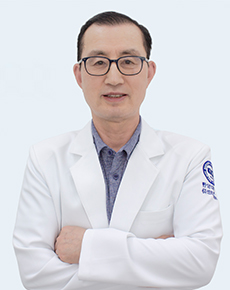
Deputy Director
Kim Il Soo
Pediatrics
Growth disorders, precocious puberty, obesity, diabetes, allergic diseases, pediatric and adolescent care, and family counseling

-
Medical Treatment Guidance
-
Medical Course
- Gastroenterology
- Pulmonology
- Nephrology
- Cardiology
- Endocrinology
- Internal Physical Examination
- Surgery
- Obstetric & Gynecology
- Pediatrics
- Neurosurgery
- Neurology
- Orthopedics
- Emergentology
- Laboratory Medicine
- Dentistry
- Radiology
- Urology
- Anesthesiology
- Occupational and Environmental Medicine
- Geratology
- Otolaryngology
- Medical Team
- Clinic Hours
-
Medical Course
-
Specialized Centers
- Gastrointestinal Endoscopy Center
- Hemodialysis Center
- Laparoscopic Surgery Center
- Breast Thyroid Center
- Spine Pain Center
- Joint Center
- Brain Center
- Surgical Center
- Intensive Care Center
- Cardiovascular Center
- Endocrine Center
- Growth Clinic Center
- Health Promotion Center
- Home Nursing Center
- Emergency Medical Center
- Referral & Care Coordination Center
- Clinical Trial Center
- Occupational Health Center
- Gastrointestinal Endoscopy Center
- Hemodialysis Center
- Laparoscopic Surgery Center
- Breast Thyroid Center
- Spine Pain Center
- Joint Center
- Brain Center
- Surgical Center
- Intensive Care Center
- Cardiovascular Center
- Endocrine Center
- Growth Clinic Center
- Health Promotion Center
- Home Nursing Center
- Emergency Medical Center
- Referral & Care Coordination Center
- Clinical Trial Center
- Occupational Health Center