
-
Medical Treatment Guidance
-
Medical Course
- Gastroenterology
- Pulmonology
- Nephrology
- Cardiology
- Endocrinology
- Internal Physical Examination
- Surgery
- Obstetric & Gynecology
- Pediatrics
- Neurosurgery
- Neurology
- Orthopedics
- Emergentology
- Laboratory Medicine
- Dentistry
- Radiology
- Urology
- Anesthesiology
- Occupational and Environmental Medicine
- Geratology
- Otolaryngology
- Medical Team
- Clinic Hours
-
Medical Course
-
Specialized Centers
- Gastrointestinal Endoscopy Center
- Hemodialysis Center
- Laparoscopic Surgery Center
- Breast Thyroid Center
- Spine Pain Center
- Joint Center
- Brain Center
- Surgical Center
- Intensive Care Center
- Cardiovascular Center
- Endocrine Center
- Growth Clinic Center
- Health Promotion Center
- Home Nursing Center
- Emergency Medical Center
- Referral & Care Coordination Center
- Clinical Trial Center
- Occupational Health Center
- Gastrointestinal Endoscopy Center
- Hemodialysis Center
- Laparoscopic Surgery Center
- Breast Thyroid Center
- Spine Pain Center
- Joint Center
- Brain Center
- Surgical Center
- Intensive Care Center
- Cardiovascular Center
- Endocrine Center
- Growth Clinic Center
- Health Promotion Center
- Home Nursing Center
- Emergency Medical Center
- Referral & Care Coordination Center
- Clinical Trial Center
- Occupational Health Center
 한국어
한국어 English
 中文
中文 việt nam
-
Medical Treatment Guidance
-
Medical Course
- Gastroenterology
- Pulmonology
- Nephrology
- Cardiology
- Endocrinology
- Internal Physical Examination
- Surgery
- Obstetric & Gynecology
- Pediatrics
- Neurosurgery
- Neurology
- Orthopedics
- Emergentology
- Laboratory Medicine
- Dentistry
- Radiology
- Urology
- Anesthesiology
- Occupational and Environmental Medicine
- Geratology
- Otolaryngology
- Medical Team
- Clinic Hours
-
Medical Course
-
Specialized Centers
- Gastrointestinal Endoscopy Center
- Hemodialysis Center
- Laparoscopic Surgery Center
- Breast Thyroid Center
- Spine Pain Center
- Joint Center
- Brain Center
- Surgical Center
- Intensive Care Center
- Cardiovascular Center
- Endocrine Center
- Growth Clinic Center
- Health Promotion Center
- Home Nursing Center
- Emergency Medical Center
- Referral & Care Coordination Center
- Clinical Trial Center
- Occupational Health Center
- Gastrointestinal Endoscopy Center
- Hemodialysis Center
- Laparoscopic Surgery Center
- Breast Thyroid Center
- Spine Pain Center
- Joint Center
- Brain Center
- Surgical Center
- Intensive Care Center
- Cardiovascular Center
- Endocrine Center
- Growth Clinic Center
- Health Promotion Center
- Home Nursing Center
- Emergency Medical Center
- Referral & Care Coordination Center
- Clinical Trial Center
- Occupational Health Center
-
Medical Treatment Guidance
-
Medical Course
- Gastroenterology
- Pulmonology
- Nephrology
- Cardiology
- Endocrinology
- Internal Physical Examination
- Surgery
- Obstetric & Gynecology
- Pediatrics
- Neurosurgery
- Neurology
- Orthopedics
- Emergentology
- Laboratory Medicine
- Dentistry
- Radiology
- Urology
- Anesthesiology
- Occupational and Environmental Medicine
- Geratology
- Otolaryngology
- Medical Team
- Clinic Hours
-
Medical Course
-
Specialized Centers
- Gastrointestinal Endoscopy Center
- Hemodialysis Center
- Laparoscopic Surgery Center
- Breast Thyroid Center
- Spine Pain Center
- Joint Center
- Brain Center
- Surgical Center
- Intensive Care Center
- Cardiovascular Center
- Endocrine Center
- Growth Clinic Center
- Health Promotion Center
- Home Nursing Center
- Emergency Medical Center
- Referral & Care Coordination Center
- Clinical Trial Center
- Occupational Health Center
- Gastrointestinal Endoscopy Center
- Hemodialysis Center
- Laparoscopic Surgery Center
- Breast Thyroid Center
- Spine Pain Center
- Joint Center
- Brain Center
- Surgical Center
- Intensive Care Center
- Cardiovascular Center
- Endocrine Center
- Growth Clinic Center
- Health Promotion Center
- Home Nursing Center
- Emergency Medical Center
- Referral & Care Coordination Center
- Clinical Trial Center
- Occupational Health Center
-
Medical Treatment Guidance
-
Medical Course
- Gastroenterology
- Pulmonology
- Nephrology
- Cardiology
- Endocrinology
- Internal Physical Examination
- Surgery
- Obstetric & Gynecology
- Pediatrics
- Neurosurgery
- Neurology
- Orthopedics
- Emergentology
- Laboratory Medicine
- Dentistry
- Radiology
- Urology
- Anesthesiology
- Occupational and Environmental Medicine
- Geratology
- Otolaryngology
- Medical Team
- Clinic Hours
-
Medical Course
-
Specialized Centers
- Gastrointestinal Endoscopy Center
- Hemodialysis Center
- Laparoscopic Surgery Center
- Breast Thyroid Center
- Spine Pain Center
- Joint Center
- Brain Center
- Surgical Center
- Intensive Care Center
- Cardiovascular Center
- Endocrine Center
- Growth Clinic Center
- Health Promotion Center
- Home Nursing Center
- Emergency Medical Center
- Referral & Care Coordination Center
- Clinical Trial Center
- Occupational Health Center
- Gastrointestinal Endoscopy Center
- Hemodialysis Center
- Laparoscopic Surgery Center
- Breast Thyroid Center
- Spine Pain Center
- Joint Center
- Brain Center
- Surgical Center
- Intensive Care Center
- Cardiovascular Center
- Endocrine Center
- Growth Clinic Center
- Health Promotion Center
- Home Nursing Center
- Emergency Medical Center
- Referral & Care Coordination Center
- Clinical Trial Center
- Occupational Health Center
The brain is the body's central control system, responsible for movement, sensation, cognition, and vital functions.
Because neurological disorders can significantly affect quality of life, accurate diagnosis and timely treatment are essential. Cerebrovascular diseases, including stroke and cerebral aneurysms, require immediate medical attention, as delays in treatment can result in severe neurological deficits or life-threatening complications.
At Central Hospital Brain Center, specialists from multiple disciplines work together to provide rapid diagnosis, advanced treatment, and comprehensive care for patients with neurological and cerebrovascular disorders.
- Cerebrovascular Diseases: Stroke, Cerebral Infarction, Cerebral Hemorrhage, Cerebral Aneurysm
- Headache Disorders, Head Trauma and Concussion, Traumatic Brain Injury
1AI-Powered Advanced Diagnostic System
The Brain Center incorporates advanced artificial intelligence technologies to support clinical decision-making, improve diagnostic accuracy, and facilitate early detection of neurological disorders.
-
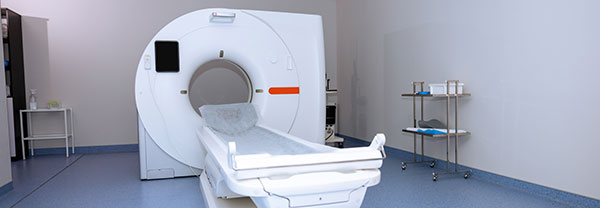
AVIEW NeuroCAD for Intracranial Hemorrhage Detection
AVIEW NeuroCAD is a deep learning–based imaging solution that assists physicians by automatically detecting intracranial hemorrhage on CT scans. This technology enables faster identification of potential brain hemorrhage in emergency situations, supporting timely treatment and clinical decision-making.
-

ANRISK: AI-Based Cerebral Aneurysm Risk Assessment
ANRISK analyzes patient health data to estimate both the likelihood of an existing cerebral aneurysm and the future risk of aneurysm development. This information supports early detection, risk stratification, and individualized monitoring strategies.
2Continuous Inpatient Monitoring System
Neurological conditions can change rapidly, making continuous observation essential for patient safety.
-
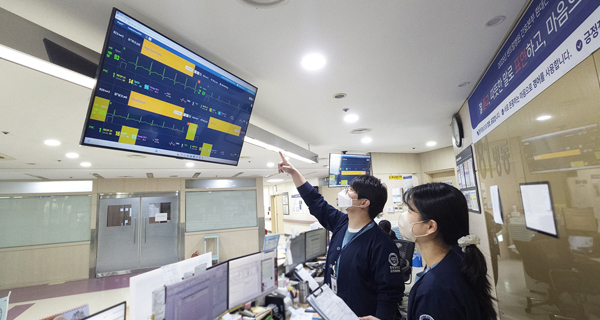
To enhance inpatient care, Central Hospital has implemented an AI-based patient monitoring system throughout inpatient wards.
The system continuously tracks vital signs and helps identify early warning signs of clinical deterioration or fall risk, allowing healthcare providers to respond promptly when intervention is needed.
3Rapid Response System for Time-Critical Neurological Care
-

Multidisciplinary Neurological Care
Board-certified neurosurgeons collaborate closely with specialists from relevant departments to provide comprehensive care spanning diagnosis, treatment, rehabilitation, and follow-up management.
-
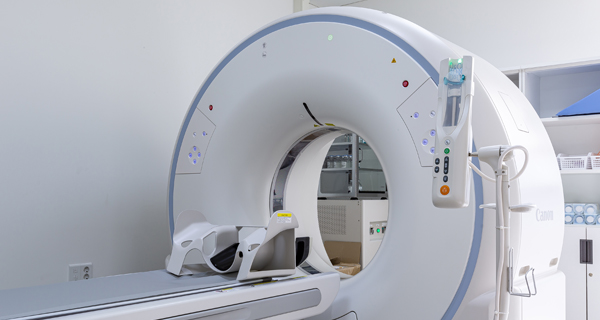
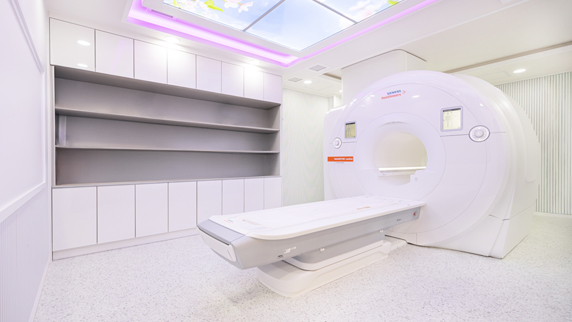
Advanced 3.0 Tesla MRI Technology
The center operates two advanced 3.0T MRI systems equipped with AI-powered image enhancement technology.
These systems improve image quality, shorten examination times, and support accurate diagnosis of neurological and cerebrovascular diseases.
Brain MRA (Magnetic Resonance Angiography)
Brain MRA provides detailed visualization of cerebral blood vessels, allowing physicians to evaluate vascular structure and identify conditions such as : Cerebral Aneurysms, Cerebral Artery Stenosis, Cerebrovascular Abnormalities, Stroke-Related Vascular Changes
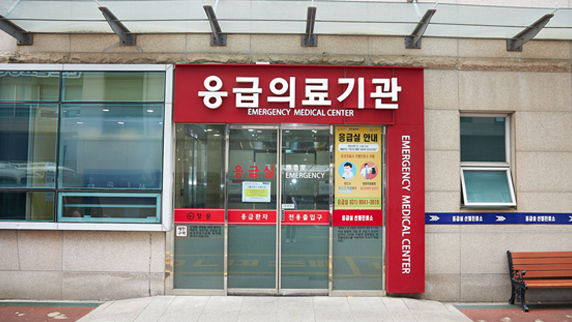
24/7 Emergency Care System
Because many neurological emergencies require immediate intervention,
Central Hospital maintains a comprehensive emergency care system that provides
seamless coordination from emergency evaluation and diagnostic imaging to hospitalization and surgical treatment when necessary.
This integrated approach helps ensure timely management of acute neurological and cerebrovascular conditions.
Medical Team
Our Medical Team
Last Updated :2026-10-07
-
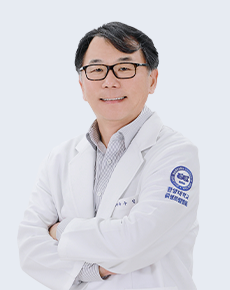
Medical Director
Yoo Soo Il
Neurosurgery
Spinal disorders, including cervical and lumbar disc disease, and cerebrovascular disorders such as stroke, cerebral infarction, and cerebral hemorrhage
-
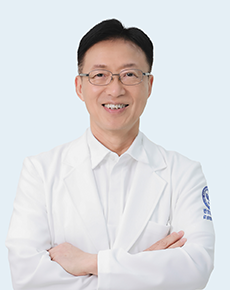
Chief Medical Director
Cho Kyung Geun
Neurosurgery
Spinal disorders (cervical and lumbar disc disease, spinal stenosis, and fractures) and brain disorders, including head trauma, cerebral hemorrhage, and brain tumors

-
Medical Treatment Guidance
-
Medical Course
- Gastroenterology
- Pulmonology
- Nephrology
- Cardiology
- Endocrinology
- Internal Physical Examination
- Surgery
- Obstetric & Gynecology
- Pediatrics
- Neurosurgery
- Neurology
- Orthopedics
- Emergentology
- Laboratory Medicine
- Dentistry
- Radiology
- Urology
- Anesthesiology
- Occupational and Environmental Medicine
- Geratology
- Otolaryngology
- Medical Team
- Clinic Hours
-
Medical Course
-
Specialized Centers
- Gastrointestinal Endoscopy Center
- Hemodialysis Center
- Laparoscopic Surgery Center
- Breast Thyroid Center
- Spine Pain Center
- Joint Center
- Brain Center
- Surgical Center
- Intensive Care Center
- Cardiovascular Center
- Endocrine Center
- Growth Clinic Center
- Health Promotion Center
- Home Nursing Center
- Emergency Medical Center
- Referral & Care Coordination Center
- Clinical Trial Center
- Occupational Health Center
- Gastrointestinal Endoscopy Center
- Hemodialysis Center
- Laparoscopic Surgery Center
- Breast Thyroid Center
- Spine Pain Center
- Joint Center
- Brain Center
- Surgical Center
- Intensive Care Center
- Cardiovascular Center
- Endocrine Center
- Growth Clinic Center
- Health Promotion Center
- Home Nursing Center
- Emergency Medical Center
- Referral & Care Coordination Center
- Clinical Trial Center
- Occupational Health Center