
-
Medical Treatment Guidance
-
Medical Course
- Gastroenterology
- Pulmonology
- Nephrology
- Cardiology
- Endocrinology
- Internal Physical Examination
- Surgery
- Obstetric & Gynecology
- Pediatrics
- Neurosurgery
- Neurology
- Orthopedics
- Emergentology
- Laboratory Medicine
- Dentistry
- Radiology
- Urology
- Anesthesiology
- Occupational and Environmental Medicine
- Geratology
- Otolaryngology
- Medical Team
- Clinic Hours
-
Medical Course
-
Specialized Centers
- Gastrointestinal Endoscopy Center
- Hemodialysis Center
- Laparoscopic Surgery Center
- Breast Thyroid Center
- Spine Pain Center
- Joint Center
- Brain Center
- Surgical Center
- Intensive Care Center
- Cardiovascular Center
- Endocrine Center
- Growth Clinic Center
- Health Promotion Center
- Home Nursing Center
- Emergency Medical Center
- Referral & Care Coordination Center
- Clinical Trial Center
- Occupational Health Center
- Gastrointestinal Endoscopy Center
- Hemodialysis Center
- Laparoscopic Surgery Center
- Breast Thyroid Center
- Spine Pain Center
- Joint Center
- Brain Center
- Surgical Center
- Intensive Care Center
- Cardiovascular Center
- Endocrine Center
- Growth Clinic Center
- Health Promotion Center
- Home Nursing Center
- Emergency Medical Center
- Referral & Care Coordination Center
- Clinical Trial Center
- Occupational Health Center
 한국어
한국어 English
 中文
中文 việt nam
-
Medical Treatment Guidance
-
Medical Course
- Gastroenterology
- Pulmonology
- Nephrology
- Cardiology
- Endocrinology
- Internal Physical Examination
- Surgery
- Obstetric & Gynecology
- Pediatrics
- Neurosurgery
- Neurology
- Orthopedics
- Emergentology
- Laboratory Medicine
- Dentistry
- Radiology
- Urology
- Anesthesiology
- Occupational and Environmental Medicine
- Geratology
- Otolaryngology
- Medical Team
- Clinic Hours
-
Medical Course
-
Specialized Centers
- Gastrointestinal Endoscopy Center
- Hemodialysis Center
- Laparoscopic Surgery Center
- Breast Thyroid Center
- Spine Pain Center
- Joint Center
- Brain Center
- Surgical Center
- Intensive Care Center
- Cardiovascular Center
- Endocrine Center
- Growth Clinic Center
- Health Promotion Center
- Home Nursing Center
- Emergency Medical Center
- Referral & Care Coordination Center
- Clinical Trial Center
- Occupational Health Center
- Gastrointestinal Endoscopy Center
- Hemodialysis Center
- Laparoscopic Surgery Center
- Breast Thyroid Center
- Spine Pain Center
- Joint Center
- Brain Center
- Surgical Center
- Intensive Care Center
- Cardiovascular Center
- Endocrine Center
- Growth Clinic Center
- Health Promotion Center
- Home Nursing Center
- Emergency Medical Center
- Referral & Care Coordination Center
- Clinical Trial Center
- Occupational Health Center
-
Medical Treatment Guidance
-
Medical Course
- Gastroenterology
- Pulmonology
- Nephrology
- Cardiology
- Endocrinology
- Internal Physical Examination
- Surgery
- Obstetric & Gynecology
- Pediatrics
- Neurosurgery
- Neurology
- Orthopedics
- Emergentology
- Laboratory Medicine
- Dentistry
- Radiology
- Urology
- Anesthesiology
- Occupational and Environmental Medicine
- Geratology
- Otolaryngology
- Medical Team
- Clinic Hours
-
Medical Course
-
Specialized Centers
- Gastrointestinal Endoscopy Center
- Hemodialysis Center
- Laparoscopic Surgery Center
- Breast Thyroid Center
- Spine Pain Center
- Joint Center
- Brain Center
- Surgical Center
- Intensive Care Center
- Cardiovascular Center
- Endocrine Center
- Growth Clinic Center
- Health Promotion Center
- Home Nursing Center
- Emergency Medical Center
- Referral & Care Coordination Center
- Clinical Trial Center
- Occupational Health Center
- Gastrointestinal Endoscopy Center
- Hemodialysis Center
- Laparoscopic Surgery Center
- Breast Thyroid Center
- Spine Pain Center
- Joint Center
- Brain Center
- Surgical Center
- Intensive Care Center
- Cardiovascular Center
- Endocrine Center
- Growth Clinic Center
- Health Promotion Center
- Home Nursing Center
- Emergency Medical Center
- Referral & Care Coordination Center
- Clinical Trial Center
- Occupational Health Center
-
Medical Treatment Guidance
-
Medical Course
- Gastroenterology
- Pulmonology
- Nephrology
- Cardiology
- Endocrinology
- Internal Physical Examination
- Surgery
- Obstetric & Gynecology
- Pediatrics
- Neurosurgery
- Neurology
- Orthopedics
- Emergentology
- Laboratory Medicine
- Dentistry
- Radiology
- Urology
- Anesthesiology
- Occupational and Environmental Medicine
- Geratology
- Otolaryngology
- Medical Team
- Clinic Hours
-
Medical Course
-
Specialized Centers
- Gastrointestinal Endoscopy Center
- Hemodialysis Center
- Laparoscopic Surgery Center
- Breast Thyroid Center
- Spine Pain Center
- Joint Center
- Brain Center
- Surgical Center
- Intensive Care Center
- Cardiovascular Center
- Endocrine Center
- Growth Clinic Center
- Health Promotion Center
- Home Nursing Center
- Emergency Medical Center
- Referral & Care Coordination Center
- Clinical Trial Center
- Occupational Health Center
- Gastrointestinal Endoscopy Center
- Hemodialysis Center
- Laparoscopic Surgery Center
- Breast Thyroid Center
- Spine Pain Center
- Joint Center
- Brain Center
- Surgical Center
- Intensive Care Center
- Cardiovascular Center
- Endocrine Center
- Growth Clinic Center
- Health Promotion Center
- Home Nursing Center
- Emergency Medical Center
- Referral & Care Coordination Center
- Clinical Trial Center
- Occupational Health Center
The spine plays a vital role in supporting the body and enabling movement. When spinal disorders cause pain or neurological symptoms, they can significantly affect daily activities and quality of life. Low back pain is one of the most common musculoskeletal conditions, affecting more than 80% of people at least once during their lifetime, making accurate diagnosis and appropriate treatment essential.
At the Central Hospital Spine Pain Center, we provide comprehensive evaluation of spinal disorders and develop individualized treatment plans based on each patient's age, symptoms, and underlying condition. Our goal is to relieve pain, restore function, and facilitate a safe return to daily activities through treatments ranging from conservative management to minimally invasive surgical procedures.
Endoscopic Spine Surgery for herniated discs and spinal stenosis
Non-Surgical Spine Treatments, including nerve blocks, neuroplasty, radiofrequency nucleoplasty, and prolotherapy
Cervical and Lumbar Spine Surgery for trauma and spinal fractures
1Extensive Experience and Comprehensive Care System
-
Personalized Treatment Plans
Three board-certified neurosurgeons provide individualized care based on extensive clinical experience, emphasizing stepwise treatment approaches and minimally invasive techniques whenever appropriate.
-
Advanced Imaging for Precise Diagnosis
The center operates two advanced MRI systems equipped with AI-powered deep learning image enhancement technology, improving image quality while reducing examination time and supporting accurate diagnosis and treatment planning.
2Non-Surgical Spine Treatments Designed to Minimize Patient Burden
For patients whose symptoms do not improve with medication or physical therapy,
non-surgical treatment options may be considered before surgery.
Most procedures are performed under local anesthesia and are generally associated with lower risks than surgery.
These treatments may be appropriate for elderly patients or individuals with underlying medical conditions and are often performed without hospitalization.
-
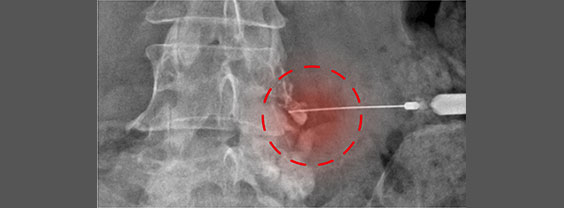
Selective Nerve Root Block
This procedure uses real-time fluoroscopic guidance (C-arm imaging) to accurately deliver medication to the affected area, reducing inflammation and relieving pain.
Dedicated Outpatient Procedure Suite
The Spine & Pain Center operates a dedicated neurosurgical procedure room, allowing many treatments to be performed safely and conveniently on an outpatient basis with minimal recovery time.
-
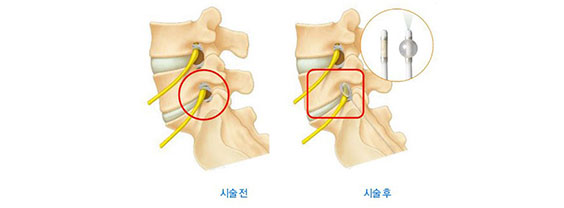
Balloon Neuroplasty
A specialized catheter equipped with a small balloon is inserted into narrowed areas surrounding spinal nerves. Balloon expansion helps release adhesions and widen the affected space, reducing nerve compression and improving symptoms.
-
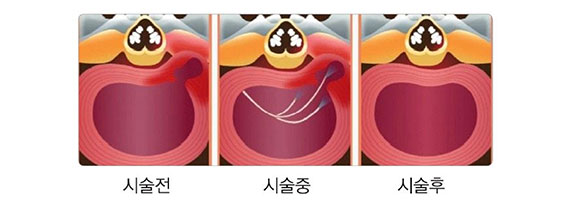
Radiofrequency Nucleoplasty
Radiofrequency energy is applied to the intervertebral disc to reduce disc volume and relieve pressure on compressed nerves, providing a minimally invasive treatment option for selected patients with disc-related pain.
3Biportal Endoscopic Spine Surgery for Faster Recovery
-
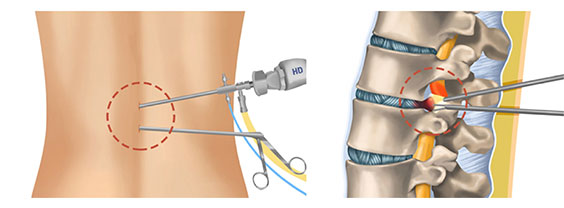
Biportal Endoscopic Spine Surgery (BESS)
Biportal Endoscopic Spine Surgery (BESS) is a minimally invasive technique that removes spinal lesions through small incisions measuring approximately 5–7 mm. While the procedure minimizes tissue disruption similar to non-surgical treatments, it allows direct treatment of the underlying cause of spinal stenosis or disc disease with precision comparable to microscopic spine surgery.
Because the procedure is technically demanding, successful outcomes depend on surgeon experience and a well-established surgical system.
-
01Faster Recovery and Reduced Pain
The minimally invasive approach reduces tissue damage, postoperative discomfort, and the risk of complications. Patients often experience shorter hospital stays and can return to normal activities more quickly.
-
02Precise Diagnosis and Treatment
High-definition endoscopic visualization allows surgeons to directly observe spinal structures in real time, enabling accurate identification and treatment of the affected area.
-
03Broad Clinical Applications
Biportal endoscopic surgery may be used for a variety of spinal conditions, including: Lumbar Disc Herniation, Spinal Stenosis, Migrated or Sequestered Disc Herniation, Spondylolisthesis, Spondylolysis, Segmental Instability.
The procedure can be particularly beneficial in cases where conventional surgical access is challenging.
Medical Team
Our Medical Team
Last Updated :2026-10-07
-
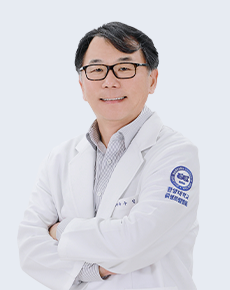
Medical Director
Yoo Soo Il
Neurosurgery
Spinal disorders, including cervical and lumbar disc disease, and cerebrovascular disorders such as stroke, cerebral infarction, and cerebral hemorrhage
-
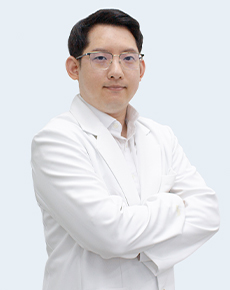
Attending Physician
Choi Soo Young
Neurosurgery
Cervical and lumbar disc disease, spinal trauma and fractures, spinal stenosis, minimally invasive spinal endoscopy (uniportal and biportal), revision spine surgery, microscopic spine surgery, and non-surgical injection therapy
-
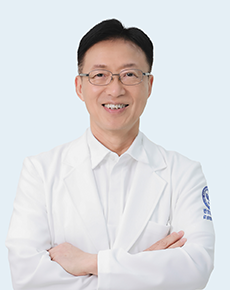
Chief Medical Director
Cho Kyung Geun
Neurosurgery
Spinal disorders (cervical and lumbar disc disease, spinal stenosis, and fractures) and brain disorders, including head trauma, cerebral hemorrhage, and brain tumors

-
Medical Treatment Guidance
-
Medical Course
- Gastroenterology
- Pulmonology
- Nephrology
- Cardiology
- Endocrinology
- Internal Physical Examination
- Surgery
- Obstetric & Gynecology
- Pediatrics
- Neurosurgery
- Neurology
- Orthopedics
- Emergentology
- Laboratory Medicine
- Dentistry
- Radiology
- Urology
- Anesthesiology
- Occupational and Environmental Medicine
- Geratology
- Otolaryngology
- Medical Team
- Clinic Hours
-
Medical Course
-
Specialized Centers
- Gastrointestinal Endoscopy Center
- Hemodialysis Center
- Laparoscopic Surgery Center
- Breast Thyroid Center
- Spine Pain Center
- Joint Center
- Brain Center
- Surgical Center
- Intensive Care Center
- Cardiovascular Center
- Endocrine Center
- Growth Clinic Center
- Health Promotion Center
- Home Nursing Center
- Emergency Medical Center
- Referral & Care Coordination Center
- Clinical Trial Center
- Occupational Health Center
- Gastrointestinal Endoscopy Center
- Hemodialysis Center
- Laparoscopic Surgery Center
- Breast Thyroid Center
- Spine Pain Center
- Joint Center
- Brain Center
- Surgical Center
- Intensive Care Center
- Cardiovascular Center
- Endocrine Center
- Growth Clinic Center
- Health Promotion Center
- Home Nursing Center
- Emergency Medical Center
- Referral & Care Coordination Center
- Clinical Trial Center
- Occupational Health Center